The lab, 04
A nod and the glovebox
Most apps let you like things with a heart and save them with a bookmark. Find a Drive uses what drivers already do. A nod is the finger lifted off the wheel to say thanks on a narrow road, and the glovebox is where the road atlas used to live. Before we settled on them, we tried them side by side with the alternatives.
- Made for
- Find a Drive, our app for finding and planning great drives
- When
- October 2026
- Made with
- SVG drawings, GSAP for the motion, and a lot of pressing
Give it a nod
These are Find a Drive's own two buttons, running here on a drive made up for the purpose. Nothing's kept, so press away.
A drive, made up for the lab
Over the escarpment
42 miles, two passes, one tea room
Press them. Press them again halfway through: they turn round from wherever they've got to.
A finger off the wheel
The nod is drawn as the back of a right hand on top of a steering wheel, thumb round the rim. Press it, and the index finger lifts, the wave drivers give each other on a narrow road; the hand fills in, and three short strokes flick off the fingertip. It's only ever the one finger: seen from the back of the hand, two raised fingers say something else entirely in Britain.
The glovebox drops its lid, takes in a folded map with the route drawn on it in your colour, and shuts. With a drive inside, it's filled in solid, its latch lit in your colour.

How they move
- The finger
- Lifting is drawn as the finger growing up from its knuckle, which is how a finger rising towards you looks: from an eighth of its height to all of it in about a third of a second, overshooting a touch, as fingers do.
- The count
- Each digit turns like a wheel in a car's mileometer, and only the wheels whose digits change move, rolling on through 9 to 0. A new digit, as 9 becomes 10, rises into place.
- The lid
- It drops past flat, so you see its inside; the map drops in from above, turning as it falls; and the lid snaps shut with a small bounce, and a short buzz on an Android phone as it closes.
- No count, on purpose
- Who keeps which drives is their own business, so the glovebox shows no count. Instead, a few words rise off the button to say what happened, and a screen reader hears them too.
- Never kept twice
- The button changes the moment it's pressed, and tells the server afterwards. However quickly the presses come, only the latest one's answer counts; if it can't be saved, the button goes back as it was; and a drive is only ever kept once, however many times the request arrives.
- Interrupted, gracefully
- Press either again halfway through, and it turns round from wherever it's got to. If your device asks for less motion, they change without the flourish.
Tried side by side first
Each was set beside the alternatives. A nod drawn as the steering wheel tipping was simpler to draw and easier to read small, but any driving app could have had it. A plain Like and Save needed no explaining, but gave you nothing to remember Find a Drive by. Then we played them at a quarter speed, pressed them in a hurry, and pressed them again halfway through.
That's how we caught the map drifting a little further left with every press. GSAP, the animation library that moves them, works out the point a thing turns about from where it is at the moment it's told, and the map was being told again halfway through its fall. Now each pivot is set once, before anything moves, and the map stays put.
More from the lab
Everything in the lab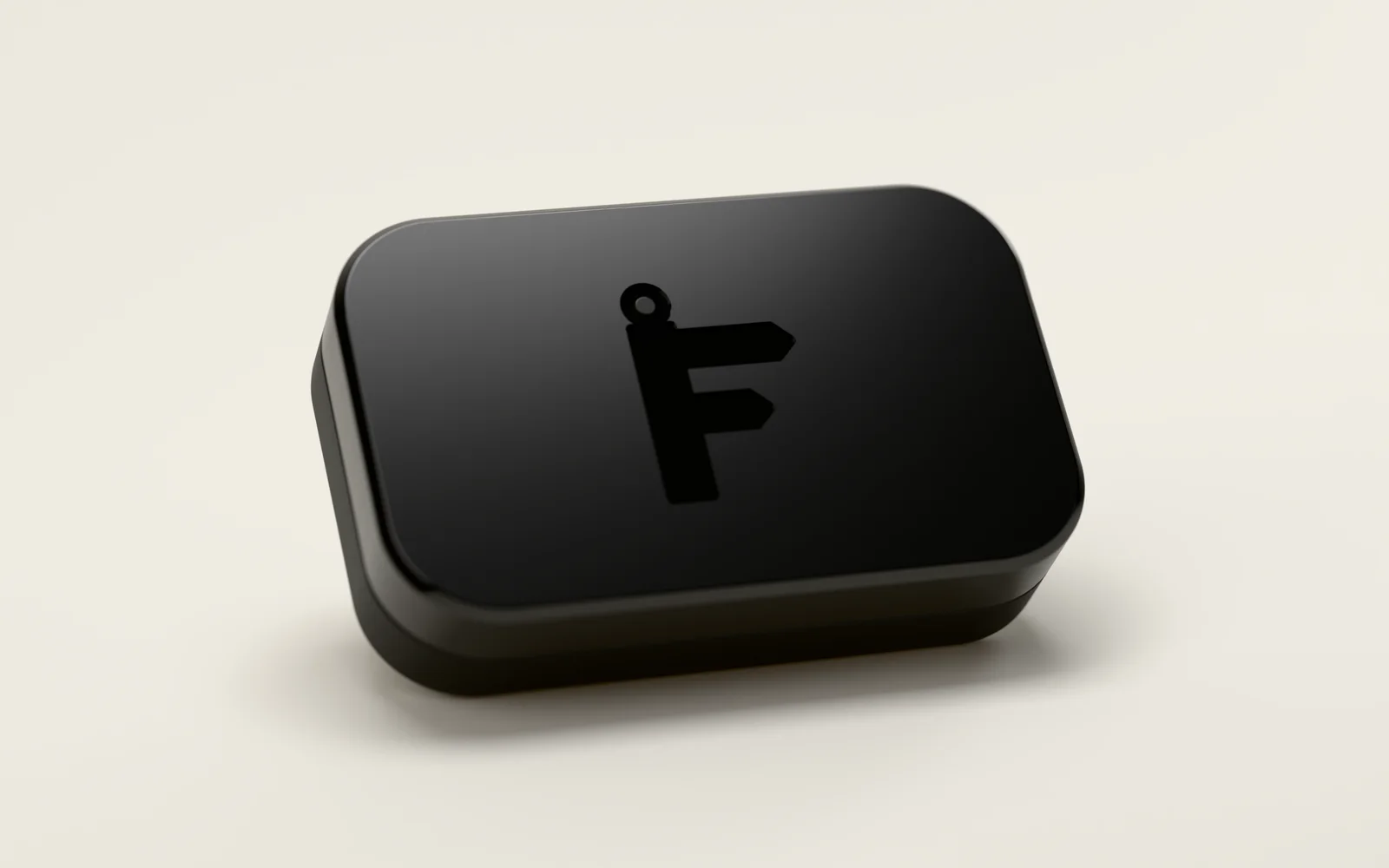
05, for Find a Drive
The Logbook
An idea for a small device that plugs into a car and records every drive, rendered as if it had been made: a ceramic lid, Find a Drive's F pressed into it, and a ring that lights in its owner's colour.
Read it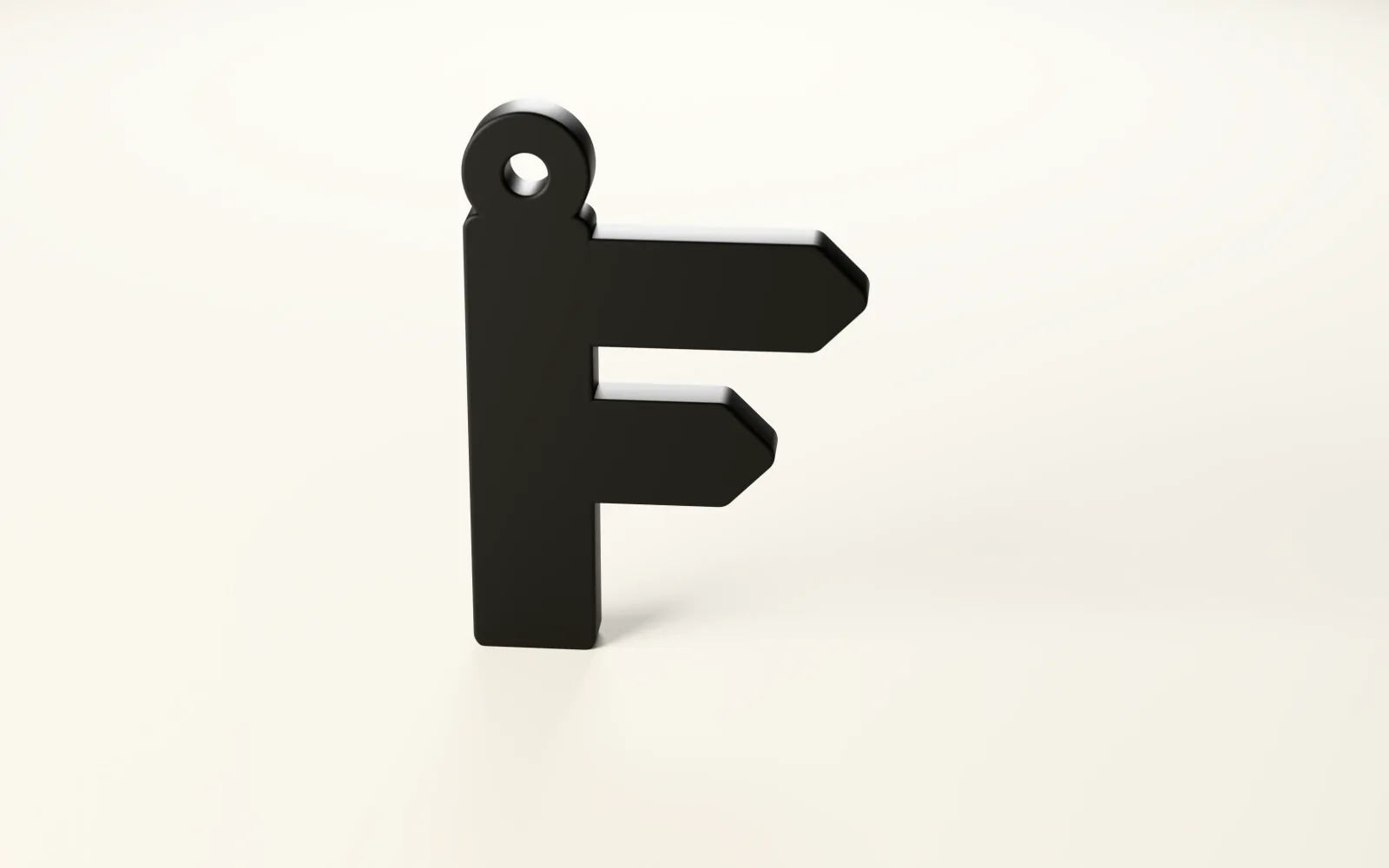
06, for Find a Drive
The fingerpost F
Find a Drive's mark, from folded maps to a road sign that's also an F, in four rounds and three days.
Read it

Contact
Talk through your project.
Tell us what you'd like to build, or what's getting in the way. A few lines is plenty to start with, and the first conversation is free.